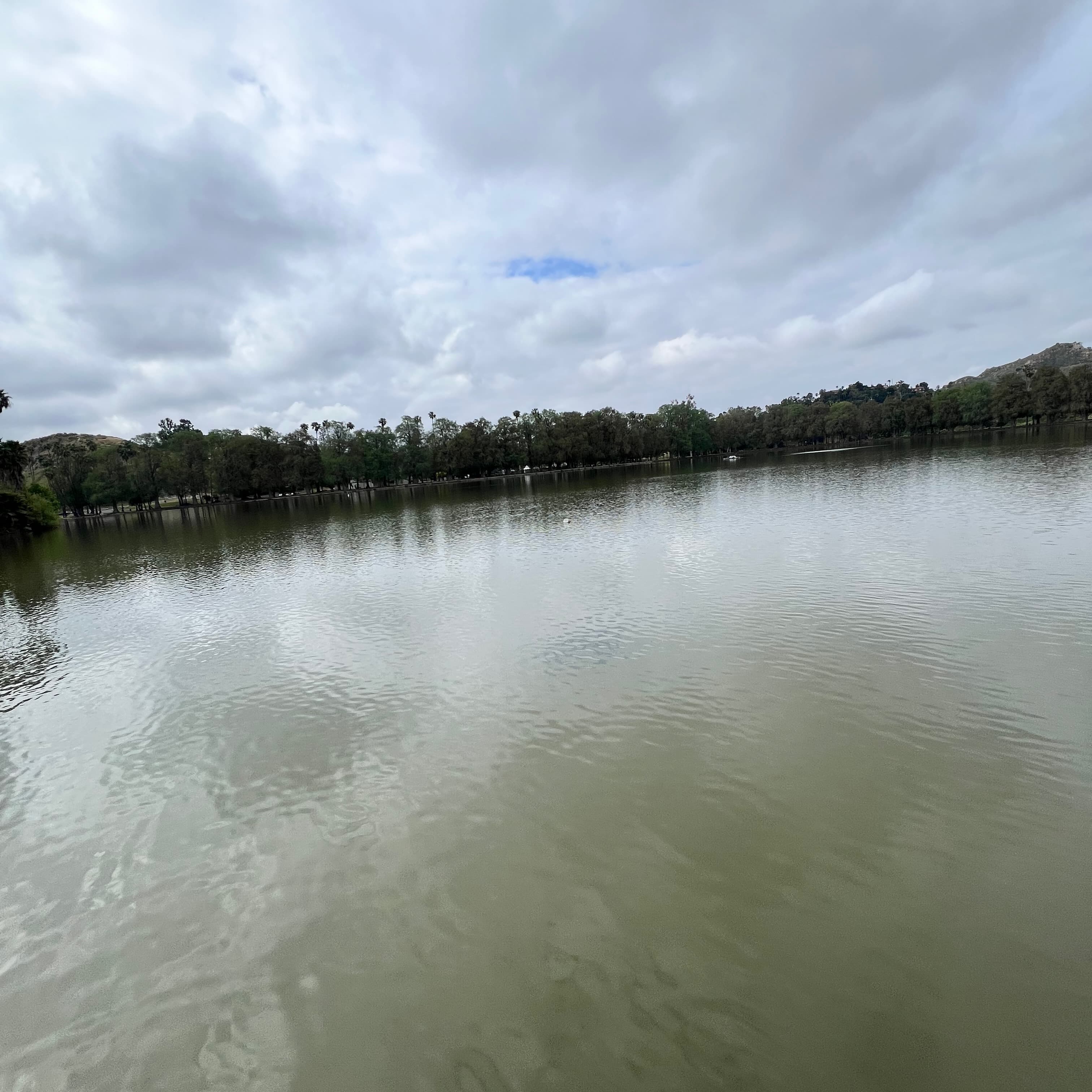
The ice is gone. The water is open. And somewhere between 42°F and 55°F, every bass in the lake is making a decision about where to go next.
If you read our ice-out piece last month, you know about the aggressive feeding window that opens the moment a lake sheds its ice. But that window closes. The frantic, opportunistic feeding of ice-out gives way to something more deliberate—a slow migration from deep winter haunts toward shallow spawning flats that unfolds over days and weeks.
This is the pre-spawn. And it's where most anglers lose the plot.
They either keep fishing the ice-out patterns too long (the shallows have cooled off, the bite died, what happened?) or they wait for the spawn to start and miss the best fishing of the entire spring. The pre-spawn window—roughly 42°F to 55°F water temperature—produces some of the biggest bass of the year. Fish are feeding heavily to fuel egg and milt production. They're moving predictably along defined routes. And they're grouped up in ways they won't be again until fall.
Understanding what's happening beneath the surface during this transition is the difference between a frustrating March and the best month of your season.
What's Actually Happening Under the Water
After ice-out, bass don't immediately head for the spawning flats. They can't—the shallow water is still too cold, too exposed, too devoid of the cover and forage they need. Instead, they stage. They move to intermediate structures between their deep winter spots and the shallow areas where they'll eventually spawn.
Think of it as a highway system. Bass are commuting from the deep to the shallows, and they stop at rest areas along the way. These rest areas are predictable, and they're where you need to be fishing.
The progression follows water temperature closely:
42–45°F: The first movement. Bass begin sliding out of their deepest winter holding areas toward the first significant structural break—a channel ledge, a deep point, the base of a steep drop-off. They're sluggish. They're not feeding aggressively. But they're no longer locked on the bottom in 30 feet of water. Slow, bottom-oriented presentations are key.
45–48°F: Staging begins. This is when things get interesting. Bass congregate on secondary points, channel swing banks, and rock transitions in 8 to 15 feet of water. They're feeding more consistently now, and the biggest fish in the lake are often the first to arrive at these staging areas. This is trophy season.
48–52°F: The feeding ramp. Metabolism is accelerating. Bass are actively hunting—crawfish emerging from mud, baitfish pushed into shallower water by warming temps, bluegill moving toward their own pre-spawn areas. The bite windows get longer. The fish get more aggressive. You can start covering water instead of just soaking baits.
52–55°F: The final push. Bass are making exploratory runs onto spawning flats, especially during warm afternoons when shallow water temps spike. They'll move up, check things out, and pull back to nearby deeper water when temps drop overnight. This back-and-forth creates a daily rhythm you can set your watch to—and your fishing schedule around.
Where Pre-Spawn Bass Stage
If ice-out bass are in the shallowest, warmest water available, pre-spawn bass are one step deeper. They're relating to structure that connects deep water to shallow water—the highways between winter and spring.
Secondary Points
Not the main lake points that everyone fishes. The secondary points—the smaller, less obvious points inside coves and along channel banks. These are the rest stops on the bass highway. A secondary point that drops from 6 feet to 15 feet with rock or gravel on it is a pre-spawn magnet. If it faces south and catches afternoon sun, even better.
Channel Swings and Bends
Where the old creek or river channel swings close to a spawning flat, bass stack up. The channel provides the depth and security they need. The adjacent flat provides the destination they're heading toward. Fish the inside bend of the channel where it comes closest to shore—that's the staging lane.
Rock Transitions
Any place where the bottom composition changes—chunk rock to gravel, gravel to mud, rock to sand—creates a seam that bass follow. These transitions often run parallel to shore at a consistent depth, creating a natural travel corridor. Crawfish concentrate along these seams, and pre-spawn bass know it.
Submerged Roadbeds and Causeways
On reservoirs, old roadbeds are pre-spawn superhighways. They provide a hard-bottom path from deep water to shallow water, and bass use them like a sidewalk. If you have lake maps showing submerged roads, fish them. The intersections where a roadbed meets a point or a channel are especially productive.
Identifying these features used to require years of experience on a specific lake or expensive mapping technology. BassLens AI simplifies this by helping you scout and log structure, identify patterns across trips, and build a picture of how bass use your water throughout the season. Point your camera at your sonar screen, log what you're seeing, and BassLens helps you connect the dots over time.
What to Throw During Pre-Spawn
The pre-spawn is a tackle transition period. What works at 43°F is different from what works at 53°F. The key is matching your presentation to the activity level of the fish—which changes as water temperatures climb.
42–48°F: Slow and deliberate.
Jerkbaits remain king in the early pre-spawn. A suspending jerkbait worked with 8- to 12-second pauses along channel ledges and secondary points is deadly on staging bass. The fish are there, they're hungry, but they won't chase far. Keep it in front of them.
Crawfish-pattern crankbaits fished slowly along rock transitions produce big bites in this range. Bass are keying on crawfish that are just starting to become active in warming water—a slow-rolled craw-colored squarebill bouncing off rocks is exactly what they're looking for.
Jigs—always jigs. A 3/8 oz football jig dragged along channel swings and across gravel points is a year-round big-bass bait, but it's especially effective during the pre-spawn when bass are tight to the bottom on structured staging areas.
48–55°F: Pick up the pace.
As water warms through the upper 40s, bass start responding to more aggressive presentations. Lipless crankbaits ripped through emerging grass or yo-yoed along drop-offs trigger reaction strikes from fish that are actively feeding. Red and crawfish patterns excel here.
Spinnerbaits come into play. A slow-rolled Colorado-blade spinnerbait along the edges of staging areas covers water and triggers strikes from bass that are starting to roam. Bump it off rocks and wood for added flash and deflection.
Swimbaits—both paddle-tail on a jighead and multi-jointed hard swimbaits—match the baitfish that bass are increasingly targeting as their metabolism ramps up. Fish them along the same channel swings and secondary points, but higher in the water column than your early pre-spawn presentations.
Not sure what to throw right now? TackleLens takes the guesswork out entirely. Enter your lake, your target species, and the date—TackleLens analyzes current water temperatures, weather patterns, and seasonal timing to recommend the exact setup: rod action and power, line type and weight, lure selection, and retrieval technique. As conditions change day to day, so do the recommendations. It's like having a local guide's tackle box knowledge for every lake you fish.
Timing the Pre-Spawn Day
Unlike ice-out fishing—where the midday heat window is everything—pre-spawn bass give you more options as the water warms. But the daily rhythm matters, and it changes as you move through the temperature progression.
Early pre-spawn (42–48°F): The afternoon bite is still your best window. Sun warms the shallows, bass slide up from staging areas to feed, and the window from noon to 3 PM is often the most productive. Don't set the alarm for 5 AM yet.
Mid to late pre-spawn (48–55°F): The bite window expands. Morning fishing gets more productive as bass start feeding earlier in the day. But the real magic happens during weather transitions—the afternoon before a warm front pushes through can produce some of the most aggressive feeding you'll see all year. Bass sense the approaching change and feed heavily.
The warming trend is your friend. Three or four consecutive days of stable, warming weather is the dream scenario during the pre-spawn. Each day compounds the warming, bass push a little shallower, a little more aggressively, and the fishing gets better each afternoon. A cold front resets things—bass pull back to deeper staging areas—but they don't leave. They just pause.
Use SolunarBass Pro to layer solunar timing on top of the weather picture. A major solunar period coinciding with a stable warm afternoon in the pre-spawn? That's a day you don't miss.
The Biggest Mistake Anglers Make
Here it is: fishing too shallow, too early.
It's March, the sun is out, it finally feels like spring, and every instinct says "go shallow." You see a flat with a mucky bottom that's warming up fast, and you think—bass must be there.
They're not. Not yet. Not until the water on that flat consistently holds above 55°F.
Pre-spawn bass are in between. They're on the structural features in 8 to 15 feet that connect deep water to those shallow flats. That's not as exciting as sight-fishing beds on a sunny afternoon, but it's where the fish are—and they're bigger, more grouped up, and more willing to eat than they will be once they're actually on the beds.
Fish where the bass are right now, not where you wish they were. The spawn will come. The pre-spawn is where the real fishing happens.
Put It All Together This March
The pre-spawn is a window, just like ice-out. It opens when the water hits the low 40s and closes when bass commit to the spawning flats in the mid-50s. In between, you have some of the most predictable, productive bass fishing of the entire year.
Use BassLens AI to scout and log structure on your home lakes—secondary points, channel swings, rock transitions. Use TackleLens to match your presentation to conditions that change daily. Use SolunarBass Pro to find the peak feeding windows within each day.
And most importantly—fish the in-between. The bass are there, even if you can't see them yet.
Tight lines, and fish the transition.
— The Bassfinity Team